Independent restaurants
Sixty to a hundred and forty covers, owner on site, chef who has been there long enough to have opinions. Two thirds of our work. The presenting problem is almost always “we are busy and there is no money at the end of the month”, and it is almost always a menu that grew by addition — every new dish added, none removed, until the prep load exceeded what the brigade can hold.
Two to eight unit groups
The problem changes shape here. Recipes drift between sites, a plate costs eleven percent more in one kitchen than another, and nobody can say why because there is no shared costing. We standardize the arithmetic first and leave the cooking alone: sites that are allowed to keep their own specials keep their staff.
Hotel and club dining
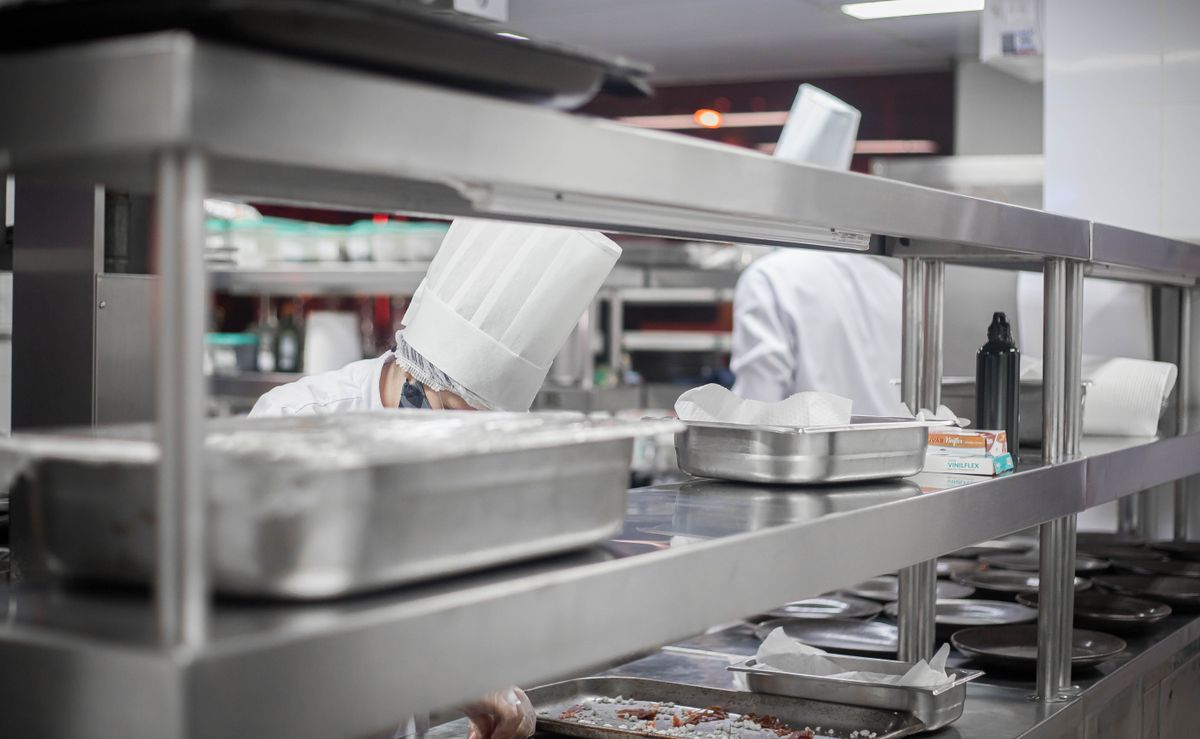
Fixed cost base, captive covers, and a food and beverage line that has to serve breakfast, banqueting and an à la carte room from one kitchen. Our work here is mostly prep systems and par levels across dayparts, and resisting the temptation to solve a banqueting problem with an à la carte menu.
High-volume casual
Two hundred covers plus, tight menu, thin margins per plate. Ticket flow and station layout matter more than costing, because at this volume ninety seconds per ticket is a shift’s worth of covers. We spend most of the engagement on the line with a timer.
Pre-opening projects
Owners with a lease and a concept, twenty weeks out. The most valuable thing we do here is argue against equipment: the second combi oven that the menu does not need pays for four months of a stronger sous chef.
Who we turn down
- Chains above eight units, where the constraint is procurement and not cooking.
- Operators who want a menu redesign without changing what the kitchen does. It is decoration, and it will not survive the next quarter.
- Anyone who needs the report to say a particular thing for a lender or a landlord.
- Venues where the owner will not let us stand in the kitchen during service.